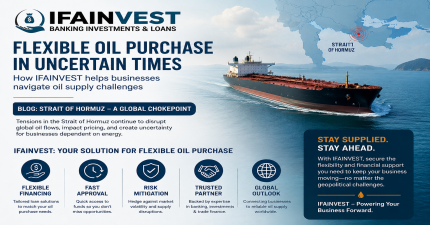
The Strait of Hormuz is one of the most important waterways in the global economy. Located between the Persian Gulf and the Gulf of Oman, it serves as a major route for the transportation of oil and natural gas from the Middle East to international markets. Any disruption or blockage in this strategic passage can have significant effects on global financial markets, especially on the value of the United States dollar and foreign exchange markets.
Why the Strait of Hormuz Matters
Nearly a fifth of the world’s oil supply passes through the Strait of Hormuz every day. Countries such as Saudi Arabia, the United Arab Emirates, Kuwait, Iraq, and Iran depend heavily on this route to export energy products to Europe, Asia, and other parts of the world.
When tensions rise in the region or when threats of blockage occur, investors and governments become concerned about possible interruptions in global oil supplies.
Impact on Oil Prices
One of the first consequences of a blockage is usually a sharp increase in oil prices. Since global economies rely heavily on oil for transportation, manufacturing, and electricity production, reduced supply quickly creates panic in energy markets.
Higher oil prices increase inflation worldwide because businesses face higher transportation and production costs. Consumers also pay more for fuel and goods.
Effects on the US Dollar
The United States dollar is considered the world’s primary reserve currency and is widely used in global oil trading. During times of geopolitical uncertainty, many investors move their money into safer assets such as the US dollar and US Treasury bonds.
As a result:
Demand for the US dollar often rises
The dollar may strengthen against weaker currencies
Emerging market currencies may lose value
Global currency markets become more volatile
However, if oil prices remain high for a long period, the US economy can also face inflationary pressure, which may weaken consumer spending and economic growth. In such cases, the Federal Reserve may adjust interest rates to control inflation, further influencing currency exchange markets.
Impact on International Trade
Countries that import large amounts of oil, especially in Europe and Asia, often suffer the most from disruptions in the Strait of Hormuz. Their currencies can weaken because they need more US dollars to purchase expensive oil supplies.
This creates stronger global demand for dollars and can increase pressure on developing economies with limited foreign currency reserves.
Investor Reactions
Financial markets generally react quickly to geopolitical risks. Investors may:
Move funds into safe-haven currencies like the US dollar and Swiss franc
Sell stocks in high-risk markets
Increase investments in gold and energy sectors
Reduce exposure to emerging markets
These reactions can create major fluctuations in exchange rates around the world.
Conclusion
The Strait of Hormuz plays a critical role in maintaining global economic stability. Any blockage or disruption can lead to rising oil prices, inflation, market uncertainty, and increased volatility in currency exchange markets.
Because oil transactions are heavily tied to the US dollar, geopolitical tensions in the region often strengthen the dollar in the short term while creating broader economic challenges globally. Governments, investors, and financial institutions closely monitor developments in the Strait of Hormuz because of its powerful influence on global trade and financial systems.