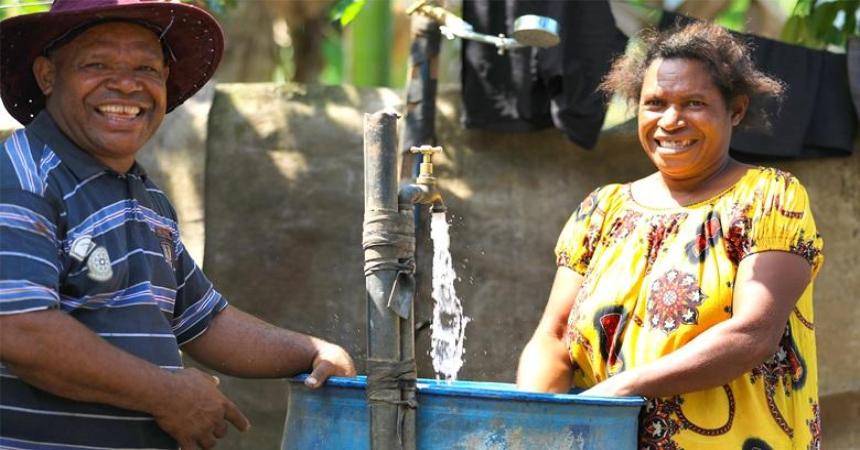
The global demand for clean and reliable water continues to rise as climate change, population growth, and aging infrastructure place enormous pressure on water systems worldwide. In response to this growing challenge, the World Bank Group has launched a major new initiative called Water Forward, designed to improve water security for more than one billion people by 2030.
According to the official announcement published on World Bank News, the initiative will bring together governments, development finance institutions, private investors, and international partners to strengthen access to reliable water services while helping communities prepare for droughts, floods, and climate-related disruptions.
Why Water Security Matters
Water is far more than a basic human necessity. It is directly connected to:
- Food production and agriculture
- Energy generation
- Public health and sanitation
- Manufacturing and industrial growth
- Employment and economic productivity
The World Bank estimates that water systems support approximately 1.7 billion jobs globally, yet nearly 4 billion people experience water scarcity during part of the year.
Without reliable access to water, economies struggle to grow, businesses face operational risks, and communities become more vulnerable to poverty and migration pressures.
The “Water Forward” Initiative
The new Water Forward platform seeks to address these challenges by aligning:
- Policy reforms
- Public and private financing
- Infrastructure investments
- Climate resilience strategies
- International partnerships
The initiative aims to help countries modernize water infrastructure, improve sanitation systems, strengthen institutions, and create investment-ready projects capable of attracting long-term funding.


Economic Opportunities Through Water Investment
At IFAINVEST, we recognize that infrastructure development and sustainable financing are closely tied to long-term economic stability. Water security initiatives create opportunities for:
- Infrastructure financing
- Renewable energy integration
- Agricultural productivity
- Urban development
- Climate adaptation investments
As governments and financial institutions increase spending on water resilience, new opportunities are emerging for investors, contractors, engineering firms, and technology providers involved in sustainable development projects.
Climate Change and the Future of Water
Climate-related disasters continue to increase pressure on global water systems. Flooding, droughts, and extreme weather events are affecting agriculture, energy production, and supply chains across multiple regions.
The Water Forward initiative places strong emphasis on building resilient systems that can withstand environmental shocks while supporting economic growth and job creation.
Countries participating in the initiative are expected to develop national water compacts focused on reform priorities, institutional strengthening, and investment planning.
A Global Financial Shift Toward Sustainability
The launch of Water Forward reflects a broader global trend toward sustainable infrastructure investment. International financial institutions are increasingly prioritizing projects that combine:
- Economic growth
- Environmental protection
- Public health improvement
- Climate resilience
- Long-term financial sustainability
This shift opens new pathways for innovative banking solutions, international partnerships, and investment strategies focused on sustainable development.
Conclusion
The World Bank Group’s Water Forward initiative marks an important step toward addressing one of the world’s most urgent challenges. Improving water security for one billion people is not only a humanitarian effort — it is also an economic strategy designed to support jobs, productivity, and long-term global stability.
For financial institutions, investors, and development partners, the future of infrastructure financing will increasingly revolve around sustainability, resilience, and essential resource management.
As global priorities evolve, organizations that adapt early to sustainable investment trends will be better positioned to participate in the next generation of international development opportunities.